Everyone wants to save money when building.
It is understandable. Construction is a major investment, and naturally, the goal is to reduce cost wherever possible.
But here is a hard truth many people learn too late:
There is a big difference between saving money and building cheap.
And in construction, building cheap often comes with a hidden price.
The Illusion of “Affordable”
At the beginning of a project, cheap options always look attractive.
A lower quote.
A cheaper contractor.
Reduced material costs.
Everything seems like a smart financial decision.
Until the problems begin.
Because in most cases, what is presented as “cheap” is simply cost deferred to the future.
Where Things Start Going Wrong
1. Compromised Materials
One of the fastest ways to reduce cost is by using substandard materials.
Lower grade cement.
Inferior reinforcement steel.
Weak blocks.
At first, nothing looks wrong.
But over time, these materials begin to fail under pressure.
Cracks appear.
Strength reduces.
Durability is compromised.
And suddenly, the building that was “affordable” becomes a repair project.
2. Poor Workmanship
Cheap labor often comes at the cost of skill and experience.
Construction is not just about putting materials together.
It is about precision, understanding, and execution.
Poor workmanship leads to:
-
Misaligned structures
-
Weak connections
-
Structural inconsistencies
These issues may not be obvious immediately.
But they always show up eventually.
3. Lack of Proper Supervision
To cut costs, many projects eliminate professional supervision.
No structural engineer on site.
No proper inspection.
No quality control.
This creates an environment where mistakes go unnoticed.
And in construction, unnoticed mistakes are dangerous.
4. Skipping Critical Processes
When budgets are tight, essential steps are often ignored.
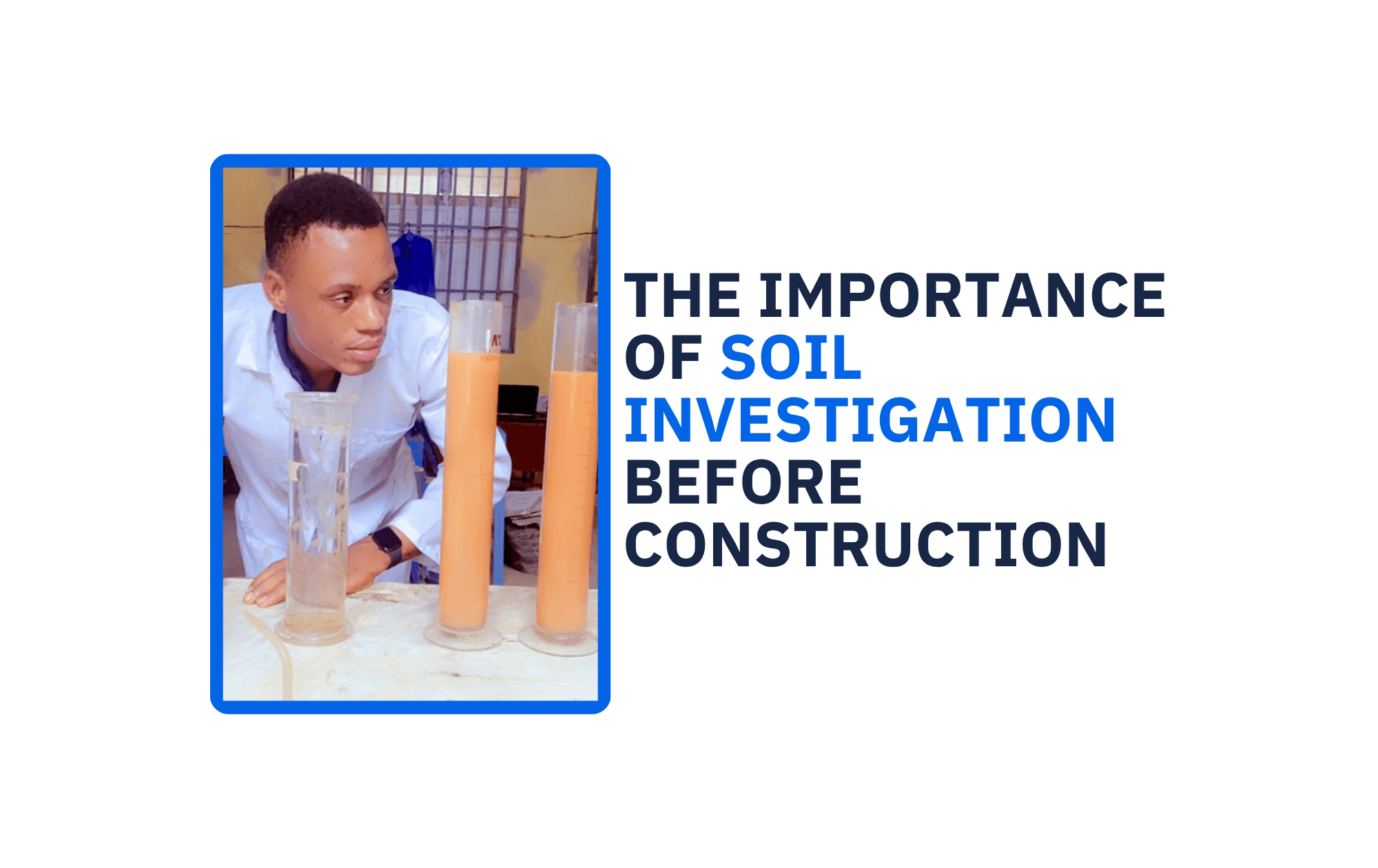
Soil investigation is skipped.
Structural testing is avoided.
Proper curing processes are rushed.
Each skipped step increases risk.
Because every part of construction exists for a reason.
The Real Cost Shows Up Later
Cheap construction does not always fail immediately.
That is what makes it dangerous.
The real cost appears over time:
-
Continuous maintenance
-
Structural repairs
-
Retrofitting
-
Loss of property value
In extreme cases, partial or total structural failure.
What was saved initially becomes insignificant compared to what is lost later.
The Impact Beyond Money
The consequences are not just financial.
They affect:
-
Safety of occupants
-
Confidence in the building
-
Peace of mind
A building should give assurance, not anxiety.
Smart Builders Think Differently
Experienced professionals do not focus on the cheapest option.
They focus on value.
Value means:
-
Using the right materials
-
Engaging qualified professionals
-
Following proper processes
-
Ensuring long term performance
Because true savings come from doing it right once.
The Right Question to Ask
Instead of asking:
How can I reduce cost?
Ask:
How can I build this correctly within my budget?
That shift in thinking changes everything.
Final Thought
Building cheap is not a strategy.
It is a risk.
A risk that often leads to more spending, more stress, and more problems.
If you are going to invest in construction, invest wisely.
Because at the end of the day, a building is not just an expense.
It is an asset.
And assets are meant to grow in value, not deteriorate over time.
Build smart.
Build strong.
Build to last.