Every building project starts with excitement.
A vision.
A plan.
A dream of something solid, valuable, and lasting.
But somewhere between the first block laid and the final finish, many projects begin to struggle.
Budgets spiral out of control.
Timelines stretch endlessly.
Quality begins to drop.
And in some cases, projects are abandoned halfway.
So what really goes wrong?
The truth is not complicated.
Most building projects do not fail because of one big mistake. They fail because of several small, avoidable errors.
1. Starting Without a Clear Plan
One of the most common mistakes is rushing into construction.
No detailed drawings.
No clear budget.
No defined scope.
Just a desire to start.
But construction is not guesswork.
A proper plan should include:
-
Complete architectural drawings
-
Structural designs
-
Services coordination
-
A realistic cost estimate
Without this, every step becomes a decision made under pressure.
And pressured decisions are often expensive.
2. Underestimating the Cost
Many projects run into trouble because the initial budget was unrealistic.
Clients often ask, “How can we make it cheaper?”
Instead of asking, “What does it really cost to do it right?”
This leads to:
-
Frequent redesigns
-
Stopping and restarting work
-
Compromising on materials
A well planned project considers both expected and unexpected costs.
Because in construction, cheap at the beginning often becomes expensive later.
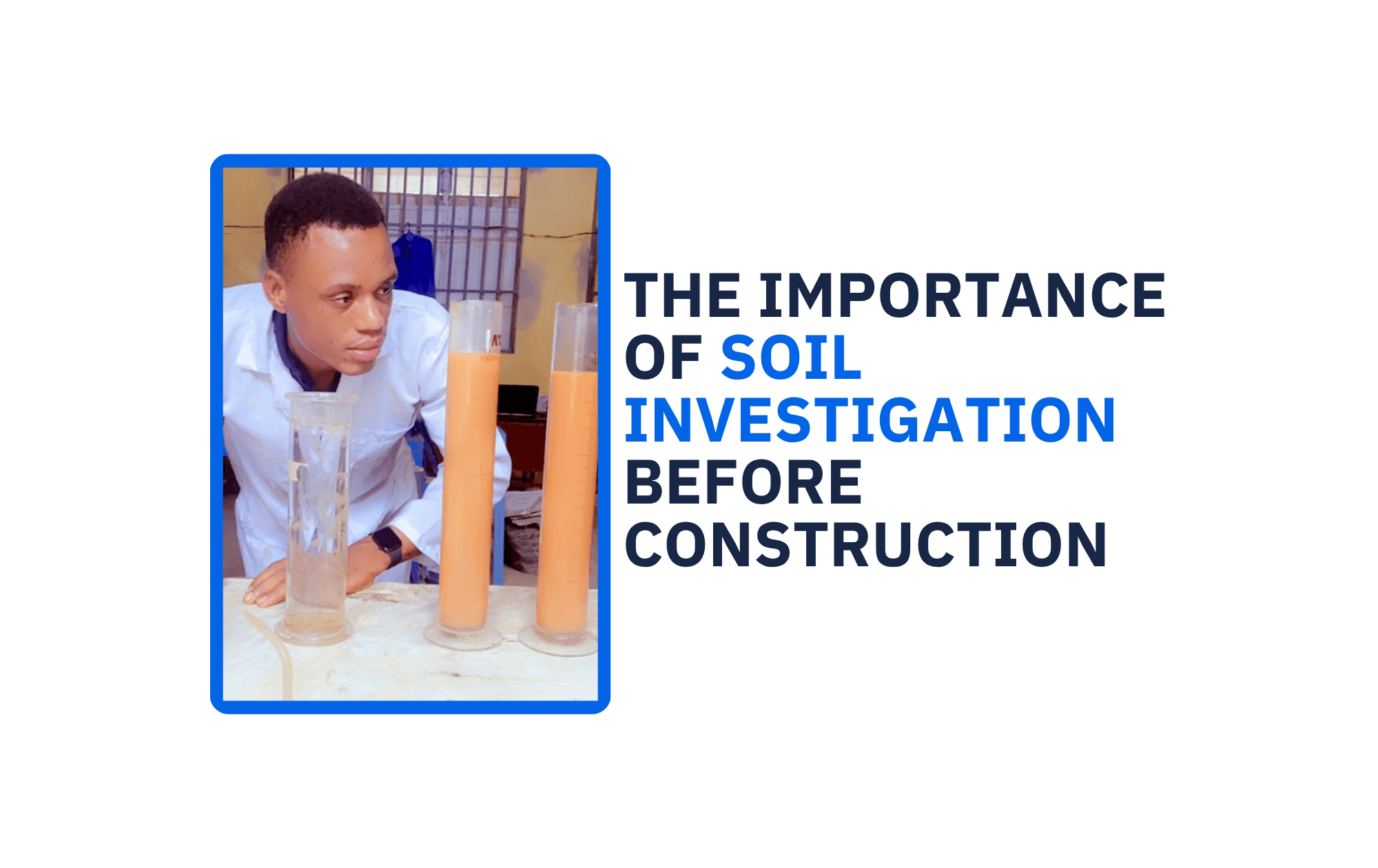
3. Ignoring Soil and Site Conditions
Every site is different.
What works perfectly in one location may fail in another.
Ignoring soil conditions can lead to:
-
Foundation issues
-
Structural cracks
-
Long term instability
A simple investigation at the beginning can prevent major problems later.
But when this step is skipped, the building pays the price.
4. Hiring Based on Price Instead of Competence
This is one of the biggest traps.
Choosing the cheapest contractor or designer may seem like a smart financial decision.
But in reality, it often leads to:
-
Poor workmanship
-
Delays
-
Constant corrections
-
Higher overall cost
Construction rewards competence, not shortcuts.
You do not save money by hiring cheap. You save money by hiring right.
5. Lack of Proper Supervision
Even the best design can fail without proper execution.
On many sites, there is little or no professional supervision.
This leads to:
-
Incorrect reinforcement placement
-
Poor concrete mixing
-
Deviation from approved drawings
And these are not always visible immediately.
They show up later as cracks, failures, and expensive repairs.
6. Constant Changes During Construction
Changing your mind during construction is costly.
Moving walls.
Adjusting layouts.
Altering structural elements.
Every change affects:
-
Cost
-
Time
-
Structural integrity
The more changes you make, the more unstable your project becomes financially and technically.
Plan properly once, and build with confidence.
7. Poor Material Management
Materials are the backbone of any building.
But poor handling can ruin even high quality materials.
Common issues include:
-
Using substandard materials
-
Improper storage
-
Material wastage
-
Unverified suppliers
A project that does not control its materials will struggle to control its outcome.
8. Weak Project Management
A building project involves many moving parts.
Designers.
Engineers.
Contractors.
Suppliers.
Without proper coordination, everything falls apart.
Weak project management leads to:
-
Delays
-
Miscommunication
-
Cost overruns
-
Conflicts on site
A well managed project runs smoothly because every part works in sync.
9. Ignoring Professional Advice
Sometimes, professionals give recommendations that increase cost.
And clients resist.
But what seems expensive now may be necessary for safety and durability.
Ignoring expert advice often leads to:
-
Structural issues
-
Rework
-
Long term damage
Experience sees what shortcuts cannot.
10. Lack of Patience
Construction is a process.
Trying to rush it leads to:
-
Poor curing of concrete
-
Incomplete work
-
Reduced quality
A building rushed is a building compromised.
The Real Difference
Successful projects are not lucky.
They are intentional.
They follow a process:
-
Proper planning
-
Professional involvement
-
Quality control
-
Continuous supervision
While struggling projects skip steps and hope for the best.
Final Thought
If your building project is going to succeed, it will not be because you avoided spending money.
It will be because you invested wisely.
Do not just aim to complete your project.
Aim to complete it right.
Because at the end of the day, the true cost of construction is not what you spend.
It is what you fix when things go wrong.